Natural Pest Control in Chennai

31 Oct
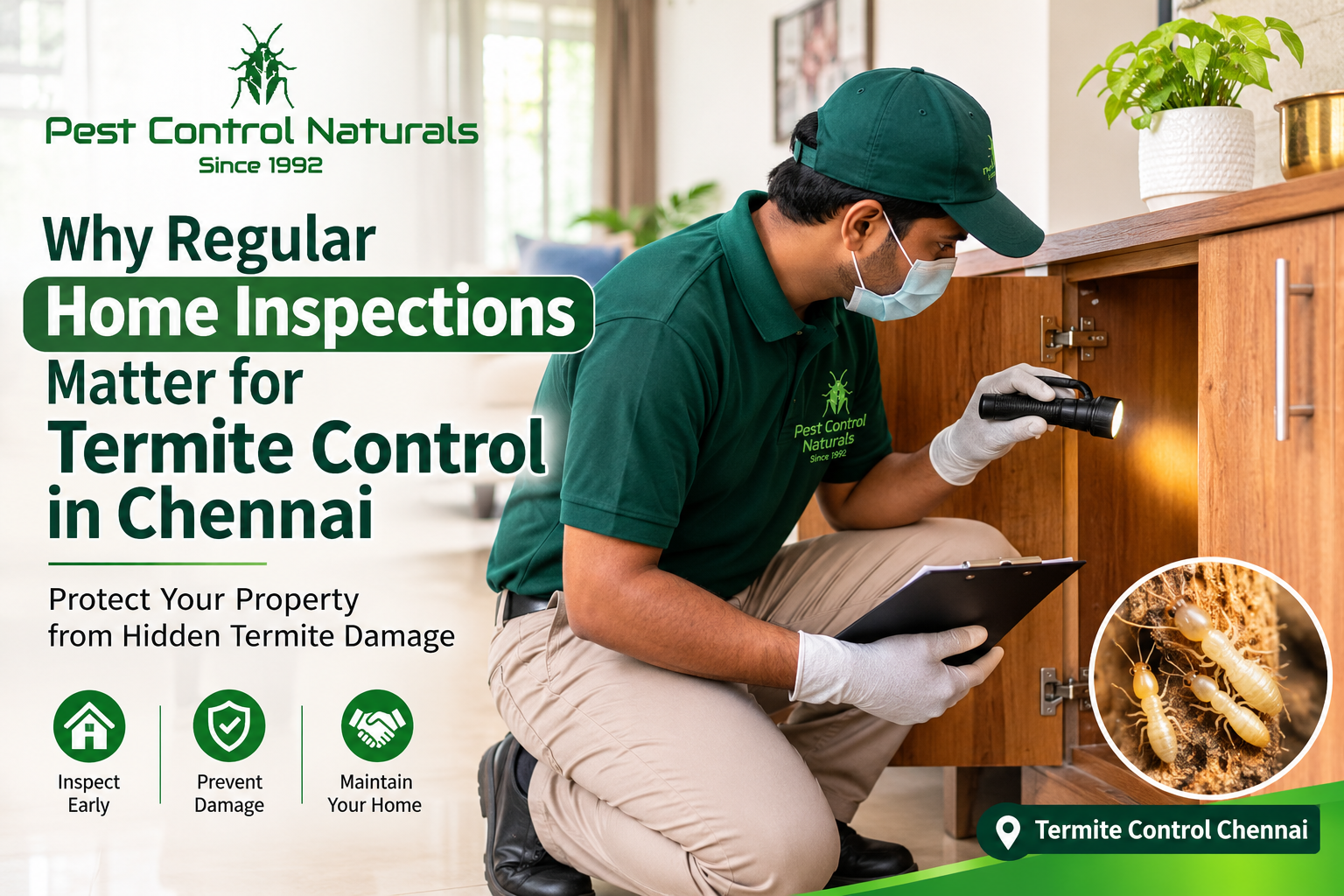
A well-maintained home requires more than clean interiors and attractive furniture. Some of the biggest threats to a property develop quietly, without showing obvious signs during everyday activities. Termites are one such concern, as they can gradually damage wooden furniture, door frames, cupboards and other structural elements. Regular inspections play an important role in identifying these problems before they become expensive repairs. For homeowners looking for Termite Control Chennai, making property inspections part of routine maintenance can help prevent extensive damage and maintain the condition of their homes.
Termites Can Remain Hidden for Months
One of the main challenges with termite infestations is that they often begin in concealed areas. Unlike common household pests, termites do not always move around in open spaces where they can be easily noticed. They may enter through soil, small structural gaps, foundation areas and moisture-affected sections of a building.
Inside a property, termites can gradually spread through wooden furniture, wall cavities, flooring and concealed spaces. By the time visible damage appears, the affected area may already require considerable attention.
Regular inspections help identify possible termite activity in places that homeowners might otherwise overlook.
Why Chennai Homes Need Periodic Termite Inspections
Chennai’s tropical climate, seasonal rainfall and varying moisture conditions can create favourable environments for termite activity. Buildings with damp walls, leaking plumbing, poor drainage or untreated wooden materials may face increased exposure.
Certain property conditions deserve particular attention:
- Ground-Floor Properties: Homes with direct contact between soil and building structures may have additional exposure to subterranean termites.
- Older Residential Buildings: Ageing wooden fittings, cracks and maintenance issues can create potential entry points.
- Independent Houses: Gardens, wooden storage areas and surrounding soil may increase the need for regular inspection.
- Apartments: Moisture around kitchens, bathrooms, utility areas and concealed wall spaces should be monitored.
- Commercial Properties: Offices, restaurants and storage facilities with wooden interiors may also require periodic checks.
Understanding these conditions helps property owners take preventive action based on their building’s requirements.
Areas That Should Never Be Missed During an Inspection
A useful termite inspection for Termite Control Chennai should cover more than visible wooden furniture. Several areas inside and outside a building may provide early clues about developing termite infestations and help property owners take timely preventive action.
1. Wooden Door and Window Frames
Door frames and window fittings are common areas where termite activity may remain unnoticed. Inspecting corners, joints and lower sections can help identify unusual damage.
2. Kitchen Cabinets and Storage Units
Kitchen cabinets often remain close to moisture sources such as sinks and plumbing connections. These areas should be checked for hollow sections, damaged panels and unusual surface changes.
3. Bathroom and Utility Areas
Leaking pipes, damp flooring and moisture accumulation can create conditions that favour termite activity. Regular maintenance and inspection are particularly useful in these spaces.
4. Wall Corners and Foundation Areas
Mud tubes, cracks and unusual deposits near walls or foundations may indicate possible termite movement. These signs should be examined by a pest control professional.
5. Wooden Furniture and Stored Materials
Wardrobes, bookshelves, wooden beds, cardboard boxes and unused furniture should be checked periodically, especially when kept in dark or poorly ventilated areas.
How Regular Inspections Help Reduce Repair Expenses
Termite damage can affect both the appearance and functionality of a property. Replacing damaged furniture, repairing wooden frames and restoring affected interiors can involve significant expenses.
Regular inspections offer several practical advantages.
- Early Identification: Potential termite activity can be noticed before extensive damage develops.
- Better Treatment Planning: Identifying the affected locations helps professionals recommend suitable treatment methods.
- Reduced Structural Risks: Timely attention can help prevent further deterioration of vulnerable wooden components.
- Improved Property Maintenance: Routine checks encourage homeowners to address moisture problems and other conditions that attract termites.
- Long-Term Protection: Periodic monitoring helps property owners remain aware of changing infestation risks.
An inspection does not guarantee that termites will never appear. However, it gives property owners a better opportunity to respond before the problem becomes more difficult to manage.
Why Professional Inspections Matter More Than Visual Checks
Homeowners can identify visible warning signs, but hidden termite activity often requires a more detailed assessment. Professional technicians can examine vulnerable locations, identify possible entry points and evaluate the extent of the infestation.
At Pest Control Naturals, termite management focuses on understanding the property’s condition before recommending an appropriate treatment approach.
Depending on the inspection findings, the team can suggest suitable treatment options for residential and commercial properties. These may include targeted applications, treatment of affected wooden sections and other appropriate termite management methods.
Professional guidance also helps property owners understand the importance of moisture control, maintenance and follow-up inspections.
Simple Maintenance Habits That Support Termite Prevention
Along with professional inspections, a few everyday maintenance practices can help reduce conditions that encourage termite activity.
- Fix leaking taps, drainage connections and plumbing problems promptly.
- Keep wooden furniture away from damp walls wherever possible.
- Avoid storing cardboard, newspapers and unused wooden materials in moisture-prone spaces.
- Maintain proper ventilation in cupboards and storage rooms.
- Remove dead wood, tree stumps and accumulated wooden debris around the property.
- Check wooden fittings after periods of heavy rainfall or water leakage.
- Arrange a professional inspection whenever unusual termite signs appear.
These habits are useful preventive measures, but they should not replace professional treatment when an active infestation is present.
Give Your Property the Attention It Deserves
A property can look perfectly maintained while termite activity develops in areas that are difficult to access. That is why regular inspections should be considered an essential part of responsible home and building maintenance.
Whether you own an apartment, independent house, office or commercial establishment, identifying potential termite problems early can help protect valuable interiors and reduce unnecessary repair work.
With appropriate inspection, treatment and preventive maintenance, Pest Control Naturals helps property owners make informed decisions about termite management. Taking action at the right time can make a meaningful difference in keeping your property protected for years to come.