Natural Pest Control in Chennai

15 Sep
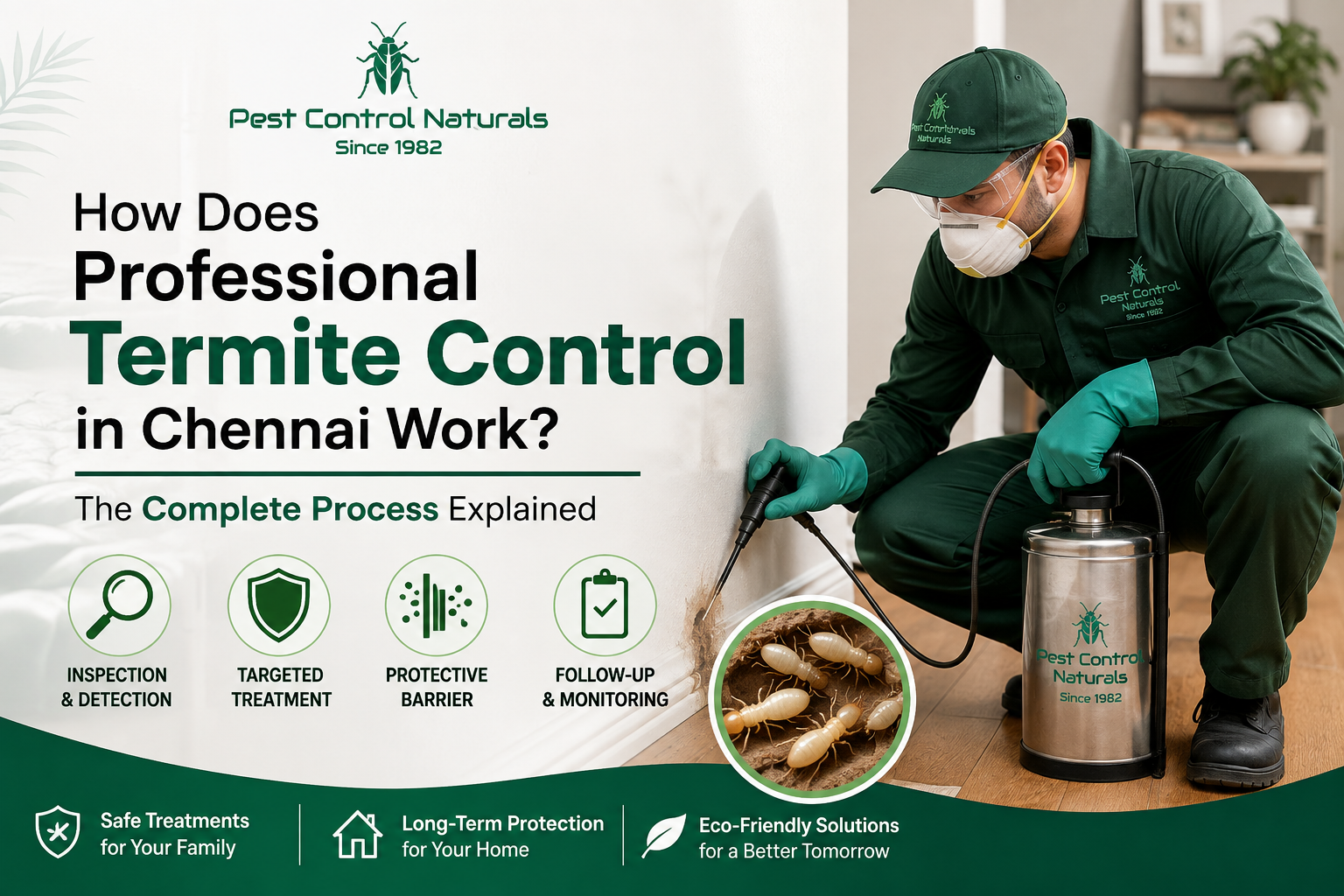
Termite Control Chennai becomes important when these silent pests start damaging wooden structures, furniture, doors, flooring, and other parts of a property. Unlike many household pests, termites can remain hidden for months while gradually weakening the materials around them. By the time visible damage appears, the infestation may already have spread across different areas of the building.
Chennai’s warm and humid climate can create favourable conditions for termite activity. Homes and commercial properties with moisture problems, wood-to-soil contact, cracks, and poor drainage can become especially vulnerable. Understanding what attracts termites is therefore one of the most effective ways to prevent serious damage.
Why Do Termites Enter Homes?
Termites primarily look for cellulose, which is found in materials such as wood, paper, cardboard, and other plant-based products. However, food availability is not the only factor that attracts them.
Moisture, shelter, soil conditions, and easy access to a building can also encourage termite activity. Once termites find a suitable environment, they can establish colonies and continue feeding without being noticed.
Here are some of the most common causes of termite infestations.
1. Excess Moisture Around the Property
Moisture is one of the biggest factors that can increase termite activity. Leaking pipes, damp walls, blocked drainage systems, water accumulation, and poorly ventilated areas can create suitable conditions.
Termites often prefer damp environments because they need moisture to survive. Areas such as bathrooms, kitchens, basements, utility rooms, and spaces near leaking plumbing should therefore receive regular attention.
What you can do:
- Repair leaking pipes and taps quickly.
- Improve drainage around the property.
- Keep crawl spaces and storage areas properly ventilated.
- Check walls for damp patches or water seepage.
Reducing unnecessary moisture can make your property less attractive to termites.
2. Direct Contact Between Wood and Soil
Wood that directly touches the soil can provide termites with an easy route into a building. This is particularly important around foundations, wooden posts, garden structures, fences, and other outdoor installations.
Subterranean termites can travel through soil and enter structures through very small gaps. Once they reach wooden materials, they can begin feeding and establish hidden pathways.
During construction or renovation, maintaining appropriate separation between soil and untreated wood can help reduce this risk.
3. Wooden Materials Left Near the Property
Old furniture, wooden boxes, fallen branches, unused timber, cardboard, and construction debris can become potential food sources.
Leaving such materials close to walls or foundations gives termites easier access to cellulose. In addition, these materials can provide shelter and make it harder to identify early signs of infestation.
Regularly remove unused wooden items and keep firewood or timber stored away from the main structure.
4. Cracks and Gaps in Walls or Foundations
Even small cracks can provide termites with concealed entry points. They may move through gaps around foundations, plumbing lines, electrical conduits, doors, and windows.
Because termites often work behind walls or below floors, homeowners may not immediately notice their presence.
Regular property inspections can help identify structural gaps before they become a pathway for pests.
5. Poor Drainage and Water Accumulation
Water that remains around the foundation can increase moisture levels in the surrounding soil. This can create favourable conditions for termite colonies.
Blocked drains, overflowing gutters, leaking outdoor taps, and incorrect water runoff can all contribute to the problem.
Make sure rainwater flows away from the building and inspect drainage areas regularly, particularly after heavy rainfall.
6. Lack of Regular Pest Inspections
One of the biggest challenges with termites is that the early signs can be easy to overlook.
Small holes in wood, hollow-sounding timber, discarded wings, mud tubes, bubbling paint, and damaged wooden surfaces can indicate termite activity. However, these signs may not always be visible in the early stages.
Regular professional inspections can help identify hidden activity before the infestation causes extensive structural or financial damage.
What Are the Early Signs of Termites?
Homeowners should watch for several warning signs, including:
- Hollow or damaged wooden surfaces
- Small holes in furniture or wooden structures
- Mud tubes along walls or foundations
- Discarded termite wings near windows or doors
- Cracked or bubbling paint
- Doors and windows that suddenly become difficult to open
- Wood that sounds hollow when tapped
- Fine termite droppings around wooden areas
Finding one or more of these signs does not always confirm an infestation. However, it is a good reason to arrange a professional inspection.
Can Termites Be Prevented?
Yes. Prevention is usually easier and less expensive than dealing with widespread damage.
Start by keeping the property dry and fixing plumbing leaks promptly. Remove unused wood and cardboard from storage areas. Maintain proper drainage, seal unnecessary cracks, and avoid allowing wooden materials to remain in direct contact with soil.
Most importantly, do not wait until visible damage becomes severe. Early detection can make treatment more manageable and help protect valuable furniture and structural components.
When Should You Contact a Professional?
If you notice mud tubes, discarded wings, damaged wood, or repeated termite activity, professional assistance is recommended. DIY solutions may provide temporary relief, but they may not address an established colony or hidden infestation.
A professional inspection can help determine where termites are active and identify conditions that may be contributing to the infestation. Based on the property and level of activity, the appropriate treatment approach can then be recommended.
For homeowners searching for Termite Control Chennai, Pest Control Naturals provides professional pest management solutions designed to address termite problems and help protect residential and commercial properties.
Frequently Asked Questions
Are termites common in Chennai?
Termites can become a problem in warm and humid environments, particularly where properties have moisture issues, wooden materials, soil contact, or poor drainage. Regular inspections and preventive measures can reduce the risk.
What attracts termites to a house?
Termites are mainly attracted to cellulose-based materials such as wood and paper. Moisture, damp soil, cracks, and easy access to structural materials can further increase the likelihood of an infestation.
Can termites damage a house without being noticed?
Yes. Termites often remain inside walls, beneath floors, or within wooden structures. This means significant internal damage can occur before obvious external signs become visible.
How can I prevent termites naturally?
Keeping the property dry, improving ventilation, fixing leaks, removing unnecessary wood and cardboard, maintaining drainage, and inspecting vulnerable areas regularly can help reduce termite risks. However, an existing infestation may require professional treatment.
Is professional termite treatment necessary?
If termites have established a colony, professional treatment is generally the safer approach. Specialists can identify the extent of the infestation and recommend a suitable treatment method instead of relying only on surface-level solutions.
Conclusion
Termites may be small, but the damage they cause can become expensive when an infestation remains undetected. Moisture, wood-to-soil contact, poor drainage, structural gaps, and neglected wooden materials are among the most common factors that create favourable conditions for termites.
The best approach is to combine prevention with regular inspections. Keep moisture under control, maintain your property’s drainage, remove unnecessary wood, and take early warning signs seriously.
If you notice signs of termite activity, do not wait for the damage to become obvious. Taking action early can help protect your property, furniture, and long-term investment with Pest Control Naturals.