Natural Pest Control in Chennai

13 Aug
Introduction
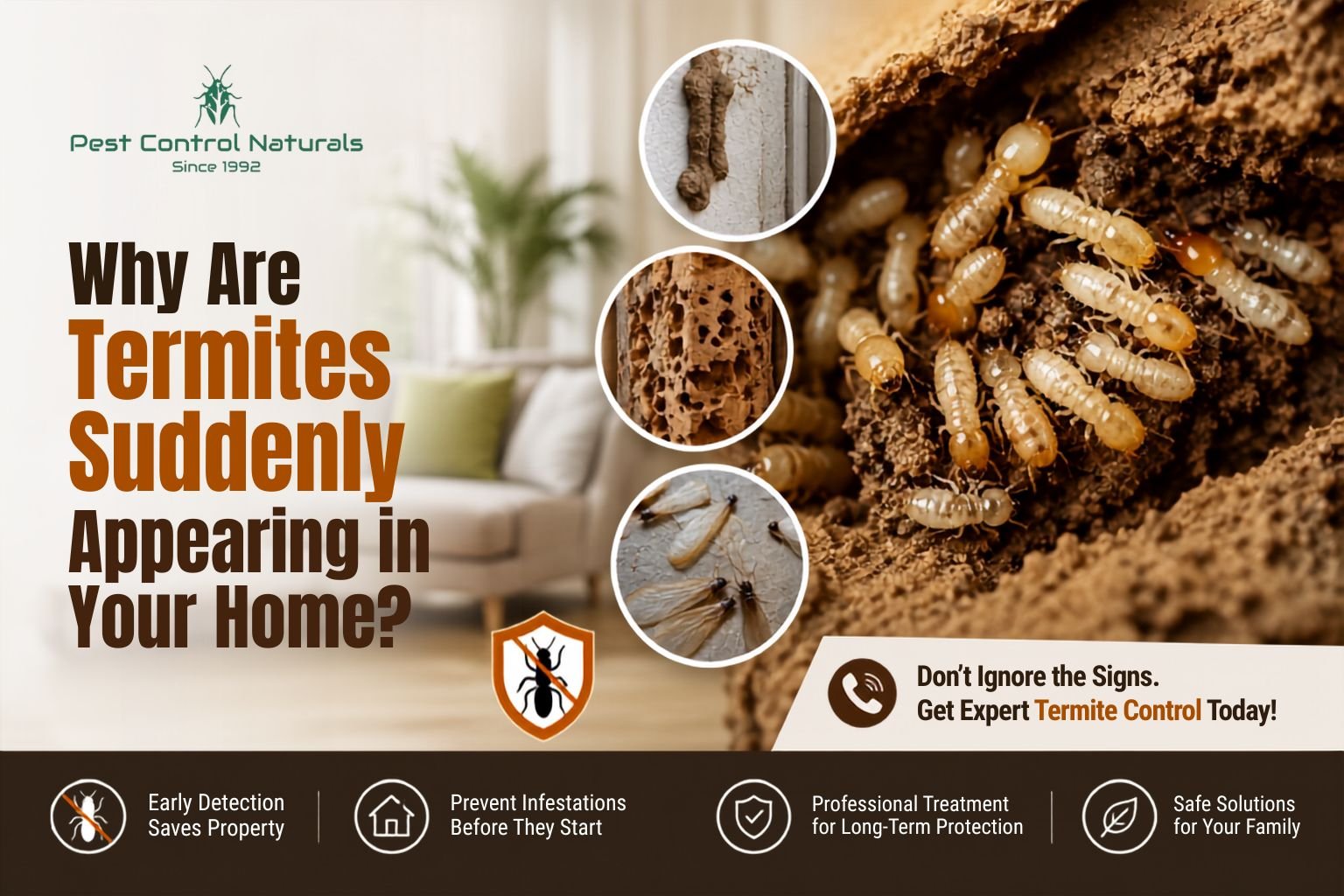
You may clean your home regularly, maintain your furniture, and keep your property in good condition. Yet, one morning, you might notice tiny mud tubes along a wall, damaged wooden furniture, discarded wings near a window, or hollow-sounding doors. It can feel as though termites have appeared overnight.
However, termite infestations rarely happen suddenly. These silent pests can remain hidden inside walls, wooden structures, flooring, and other concealed areas for months before homeowners notice visible signs. Chennai’s warm and humid environment can also create favourable conditions for termite activity, particularly when moisture and accessible sources of cellulose are present.
Understanding why termites enter your property is the first step towards protecting it. Professional Termite Control Chennai services can help identify the source of an infestation, assess its extent, and recommend an appropriate treatment strategy before structural damage becomes more serious.
Why Are Termites Suddenly Appearing in Your Home?
Termites constantly search for three basic necessities: food, moisture, and shelter. A property that provides these conditions can become an attractive environment for a colony.
What looks like a sudden infestation may actually be the point at which a well-established colony becomes visible. Termites often travel through soil, cracks, wall gaps, plumbing areas, and concealed wooden structures without attracting attention.
Therefore, spotting even a few warning signs should not be dismissed.
1. Chennai’s Warm and Humid Climate Can Encourage Termite Activity
Termites generally thrive in warm environments with access to moisture. Chennai’s tropical climate, periods of high humidity, and seasonal rainfall can contribute to conditions suitable for termite colonies.
Moist soil around foundations, damp walls, leaking pipes, and poorly ventilated spaces may further increase the risk.
Additionally, after rainfall, homeowners may notice winged termites or “swarmers.” These reproductive termites leave established colonies to form new ones, making their appearance an important warning sign.
2. Excess Moisture Around Your Property
Moisture is one of the biggest factors that can make a property attractive to termites.
Common sources include:
- Leaking bathroom or kitchen pipes
- Poor drainage around the foundation
- Damp walls and ceilings
- Air-conditioner water leakage
- Water collecting near exterior walls
- Poor ventilation in enclosed spaces
Fixing leaks and reducing unnecessary moisture can make your home less favourable for termites. However, moisture control alone will not eliminate an established colony.
3. Wooden Materials Are in Contact With Soil
Wood-to-soil contact can create an easy pathway for subterranean termites.
Wooden door frames, fencing, storage materials, construction timber, and other cellulose-based materials placed directly against soil may allow termites to reach a building while remaining concealed.
Where possible, keep wooden materials separated from soil and remove unnecessary timber, cardboard, and dead wood from areas close to your property.
4. Cracks and Gaps Provide Hidden Entry Points
Termites do not need a large opening to enter a building.
Small foundation cracks, gaps around utility pipes, damaged joints, and openings around walls may provide potential access points. Once inside, termites can move towards wooden structures and other cellulose-containing materials.
Regular property inspections can help identify these vulnerabilities before they contribute to a larger problem.
5. You May Have Missed the Early Warning Signs
Termites are often called silent destroyers because they can damage wood internally while leaving the exterior surface relatively unchanged.
Watch for signs such as:
- Mud tubes along walls or foundations
- Hollow-sounding wooden surfaces
- Discarded termite wings
- Bubbling or unusual paint surfaces
- Doors or windows becoming difficult to open
- Crumbling or weakened wood
- Small openings in wooden structures
If several signs appear together, arranging a professional inspection is a sensible next step.
6. Nearby Construction Can Disturb Existing Colonies
Construction, excavation, landscaping, removal of old trees, and soil disturbance can disrupt termite habitats.
When their environment changes, termites may search for alternative food sources and shelter. Nearby residential properties can consequently become vulnerable, especially if they already contain moisture problems or untreated wooden materials.
This is one reason preventive inspections can be valuable even when no major infestation is immediately visible.
7. Untreated Wood Can Increase the Risk
Wood is a major source of cellulose, which termites consume.
Untreated furniture, door frames, cabinets, flooring, storage materials, and structural wood may become vulnerable when termites gain access to the property.
However, visible furniture damage does not necessarily mean the infestation started there. The colony could originate underground or elsewhere within the building.
Professional Termite Control Chennai specialists can inspect both visible damage and potential hidden entry points to determine the appropriate course of action.
Why DIY Termite Treatment May Not Solve the Problem
When homeowners discover termites, they may immediately spray the visible insects with household pesticides. While this can kill some termites, it may not reach the colony.
The larger problem is often hidden underground, inside walls, or within inaccessible structural areas.
Effective termite management focuses on identifying termite activity, locating potential entry routes, reducing conducive conditions, and applying suitable treatment methods.
Companies such as pest control naturals may assess the property before recommending treatment based on the infestation and building conditions.
How Can You Prevent Termites From Returning?
Prevention requires ongoing property maintenance rather than a one-time reaction.
Start by repairing plumbing leaks and improving drainage. Avoid allowing water to accumulate near foundations and exterior walls. Remove unused cardboard, timber, tree stumps, and other cellulose materials from around the property.
You should also inspect wooden doors, cabinets, flooring, and furniture periodically. Seal visible cracks and gaps where practical, and pay particular attention to areas that remain damp.
Most importantly, consider periodic professional inspections, particularly if your property has experienced termite activity before.
Frequently Asked Questions
Why did termites suddenly appear in my house?
They may not have appeared suddenly. A colony could have been active in a concealed location for weeks or months before visible signs emerged. Moisture, wood, soil contact, cracks, and environmental changes can all contribute to termite activity.
Are termites dangerous to people?
Termites are primarily a property concern rather than a direct threat to people. However, prolonged infestations can weaken wooden materials and potentially affect structural components if left untreated.
Can I permanently remove termites myself?
DIY treatments may eliminate termites that you can see, but they may fail to reach a concealed colony. A professional inspection can determine the scale of the problem and identify a suitable treatment method.
How often should I check my home for termites?
Homeowners should regularly inspect vulnerable areas for visible warning signs. Properties with previous termite problems, moisture issues, extensive wooden structures, or other risk factors may benefit from scheduled professional inspections.
What should I do when I see termite wings?
Discarded wings may indicate recent swarming activity. Check nearby windows, doors, wooden structures, and damp areas. If you repeatedly find wings or notice other termite signs, arrange an inspection.
Does cleaning the house prevent termites?
Good housekeeping helps, but cleanliness alone cannot prevent termites. Termites are attracted primarily to cellulose, moisture, soil access, and favourable environmental conditions.
Why Early Termite Detection Matters
Waiting until wooden furniture visibly collapses or significant damage becomes obvious can make termite management more complicated and potentially more expensive.
Early detection allows homeowners to identify affected areas sooner and take action before termites spread further.
A qualified provider such as pest control naturals can inspect vulnerable locations, identify signs of termite activity, and recommend preventive or corrective measures suited to the property.
Conclusion
Termites rarely invade a home overnight. Instead, they often remain hidden until environmental conditions, colony growth, or visible damage finally reveals their presence.
Chennai’s warm climate, moisture, untreated wood, soil contact, structural gaps, and nearby environmental disturbances can all contribute to termite activity. Therefore, homeowners should treat mud tubes, discarded wings, hollow wood, and unexplained wooden damage as warning signs rather than minor inconveniences.
Professional Termite Control Chennai solutions, combined with moisture management, regular inspections, and preventive property maintenance, can significantly reduce the risk of extensive termite damage.
Acting early is always easier than repairing damage after a hidden infestation has spread.